A genuine first-generation civilian Jeep — serial 121940, built in Toledo, Ohio c.1947 — pulled from decades of neglect and being brought back to life one rust flake at a time.
The Project
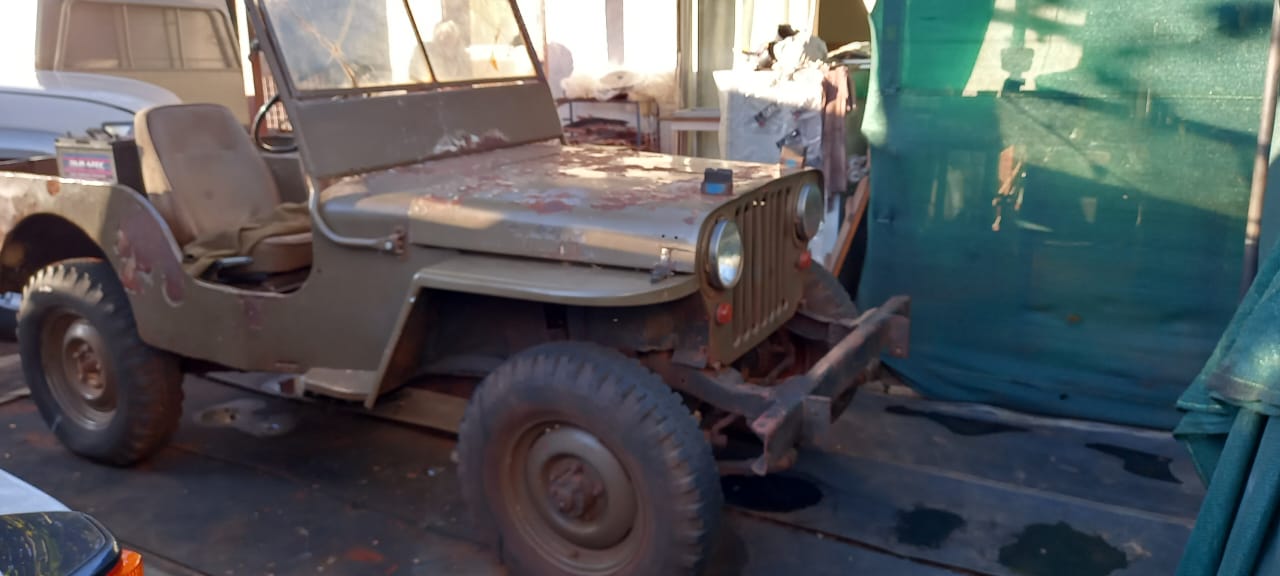
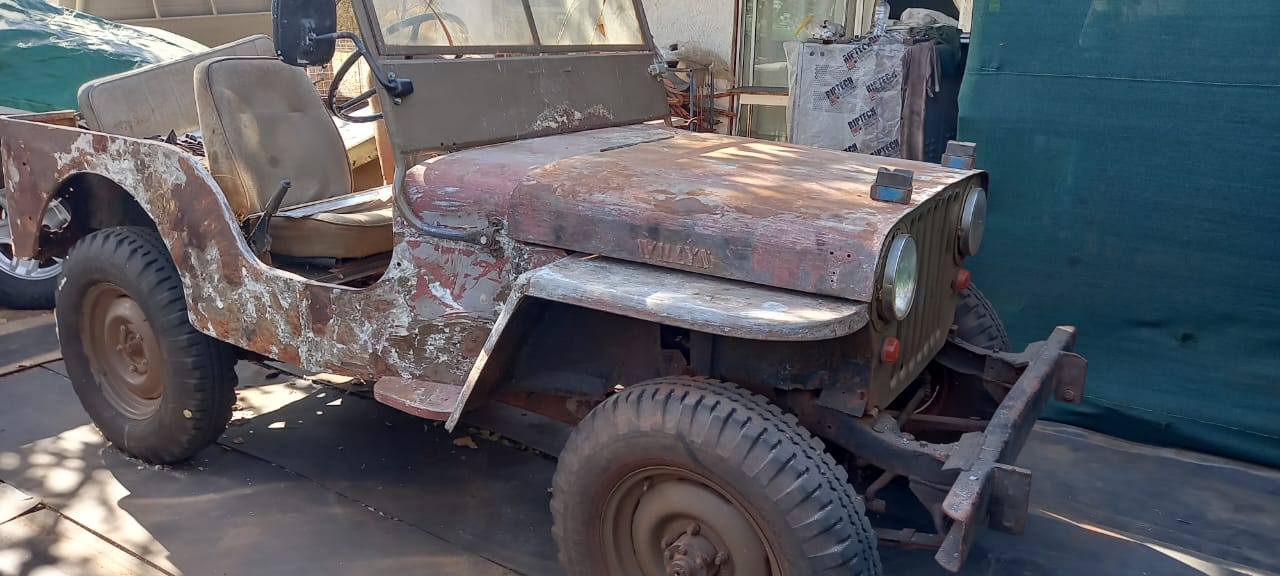
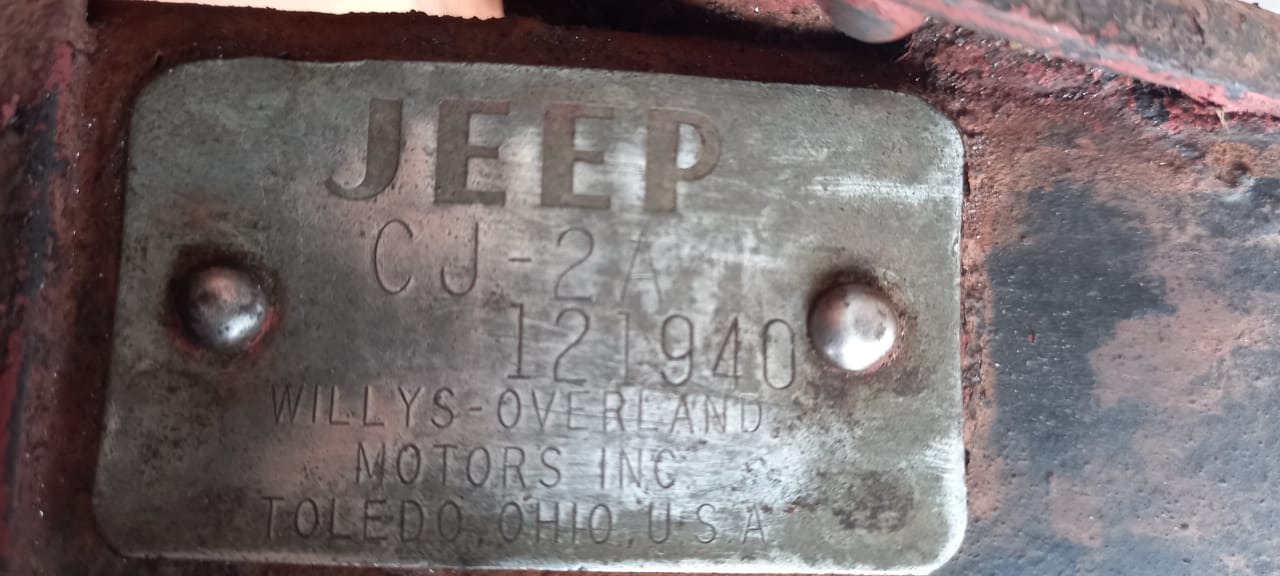
When this Willys crossed our path it was carrying decades of neglect — peeling olive drab paint, a firewall eaten by rust and an interior stripped bare by time. We knew it was something special, but it wasn't until we found the original identity plate that the full story emerged: Jeep CJ-2A, serial 121940, built by Willys-Overland Motors Inc, Toledo, Ohio, U.S.A.
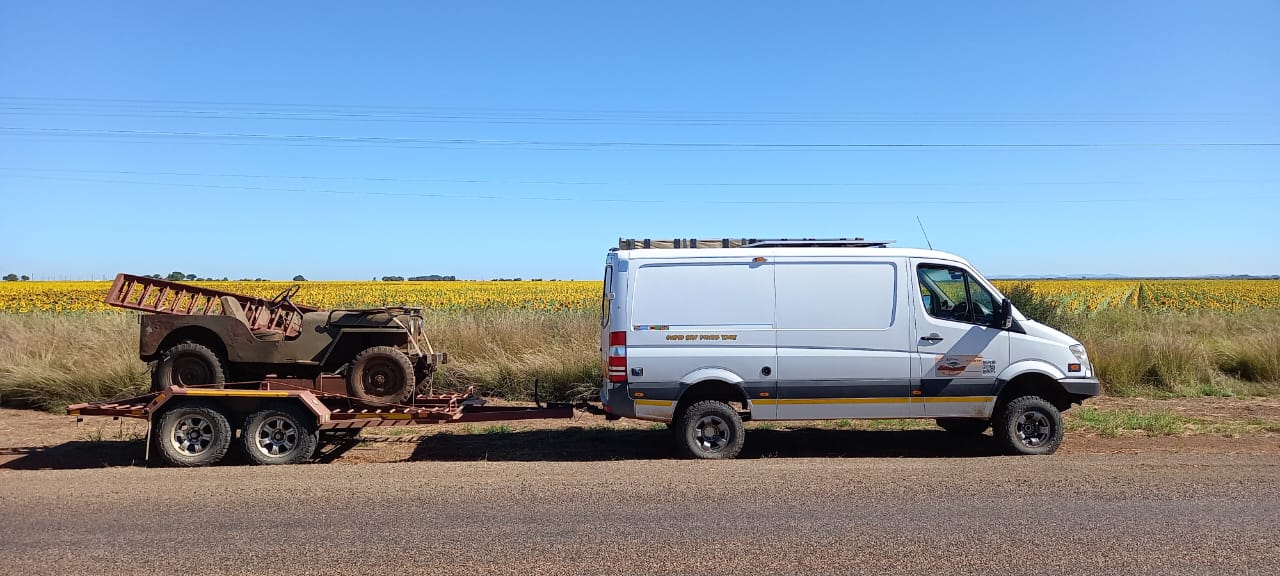
The CJ-2A was the first mass-produced civilian Jeep, introduced in 1945 as WWII ended — essentially the military MB transferred straight to civilian use. Ours dates to approximately 1947. Our Sprinter 4x4 brought it home on a trailer through the sunflower fields of Limpopo; from that moment it became a full-scale restoration.
This is an ongoing project. We're documenting every stage so you can follow along as history gets a second life in our workshop.
| Vehicle | Willys CJ-2A (first civilian Jeep) |
| Serial Number | 121940 — confirmed from original identity plate |
| Manufacturer | Willys-Overland Motors Inc, Toledo, Ohio, U.S.A. |
| Estimated Year | c.1947 (CJ-2A produced 1945–1949) |
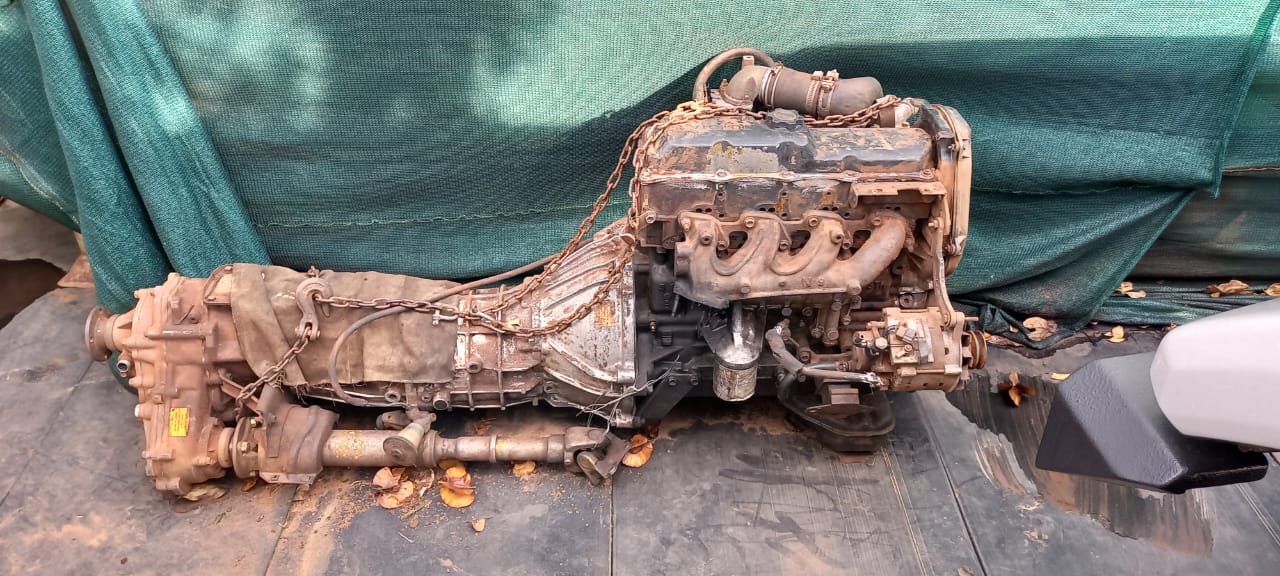
| Original Engine | Willys "Go Devil" 2.2L inline-4 (removed for rebuild) |
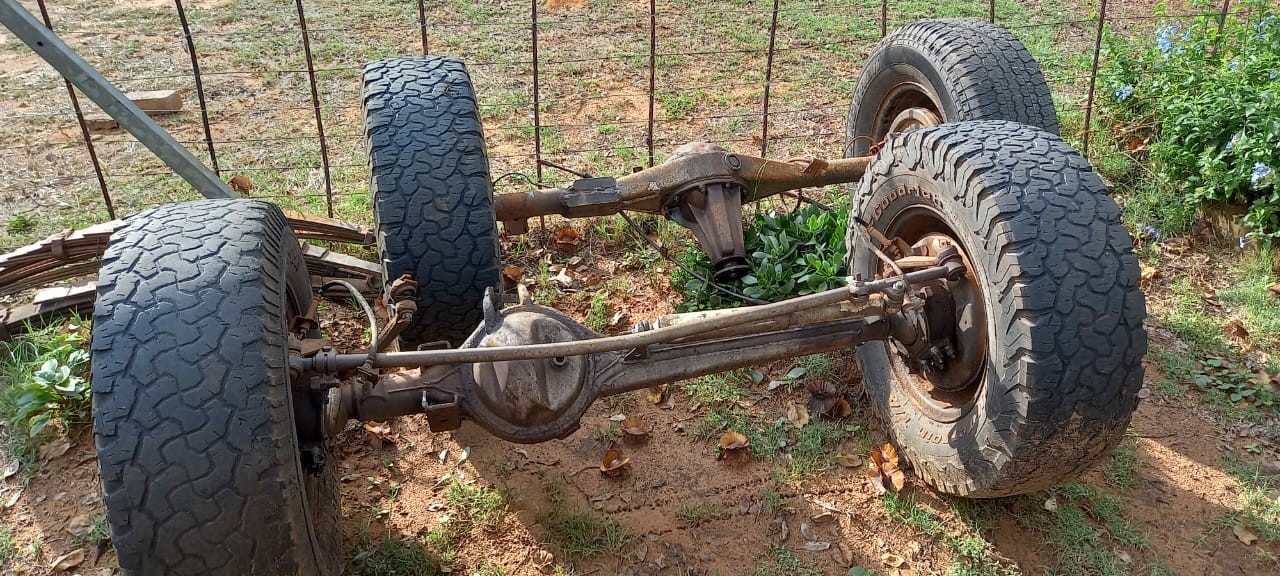
| Drivetrain | 4-wheel drive — new axles sourced with AT tyres |
| Body Condition | Stripped to bare metal — repair and prep underway |
| Restoration Scope | Full bare-metal rebuild |
| Location | Bela-Bela, Limpopo, South Africa |
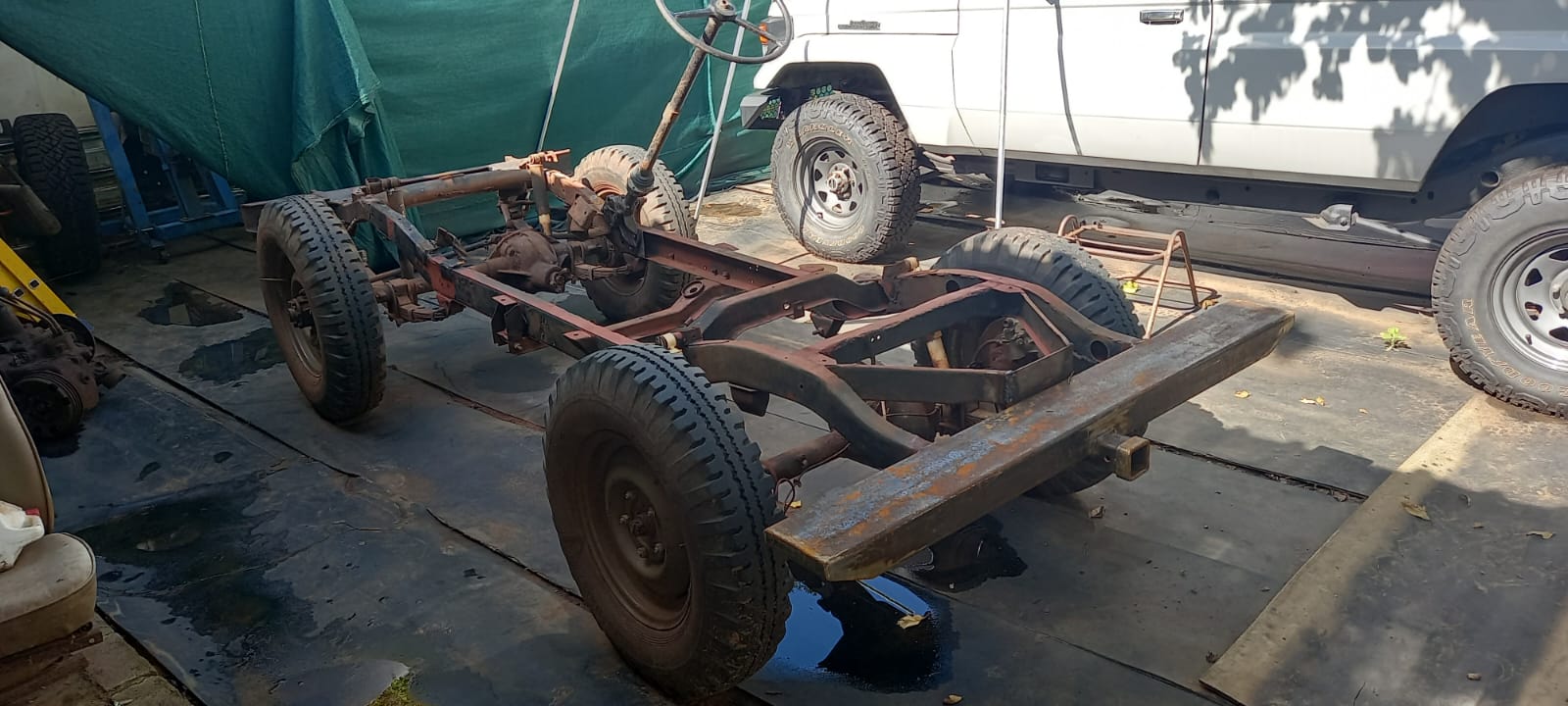
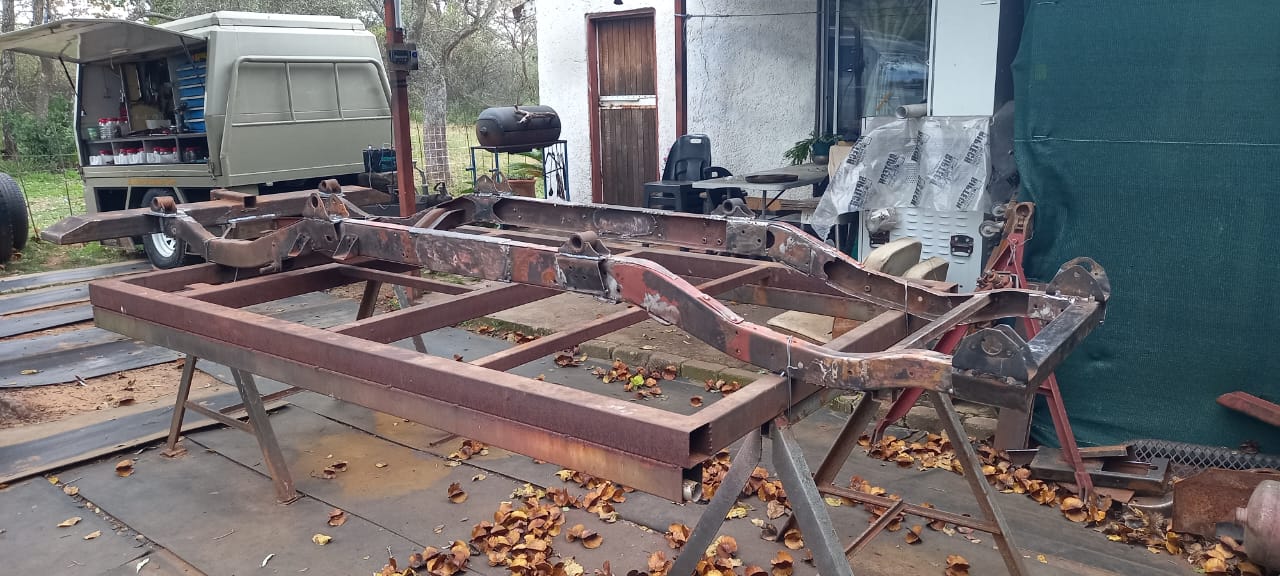
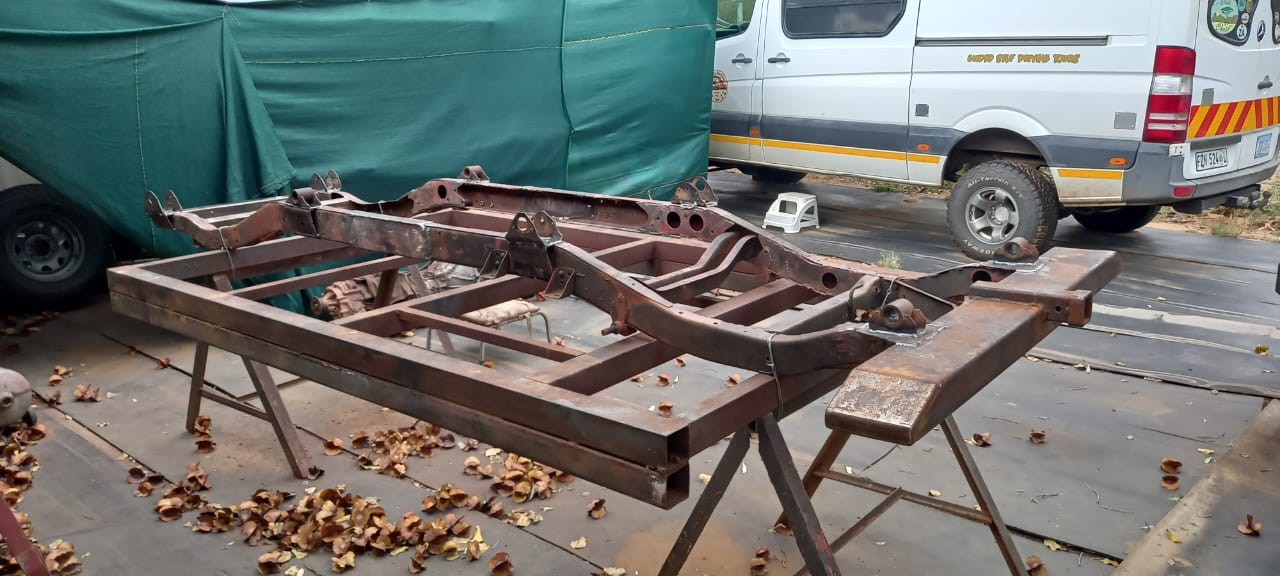
| Project Status | Active — chassis on trestles, frame prep phase |
Build Diary
Six chapters and counting — from the day we spotted it to the identity plate reveal, sourcing new running gear and the chassis now on trestles ready for work.
Chapter 1
Every restoration starts with a moment. Ours was spotting this Willys for sale, still wearing its original military olive drab — paint peeling, body rough, but all the pieces present. We hooked it to the Sprinter 4x4 (our last big build) and trailered it back through the sunflower fields of Limpopo. It was immediately clear this was the real deal: original WILLYS script on the hood, military-spec gauges still in the dash, the iconic flat-face seven-slot grille intact. History on wheels, waiting to roll again.
.jpeg)
.jpeg)
.jpeg)
.jpeg)
.jpeg)
.jpeg)
.jpeg)
.jpeg)
Chapter 2
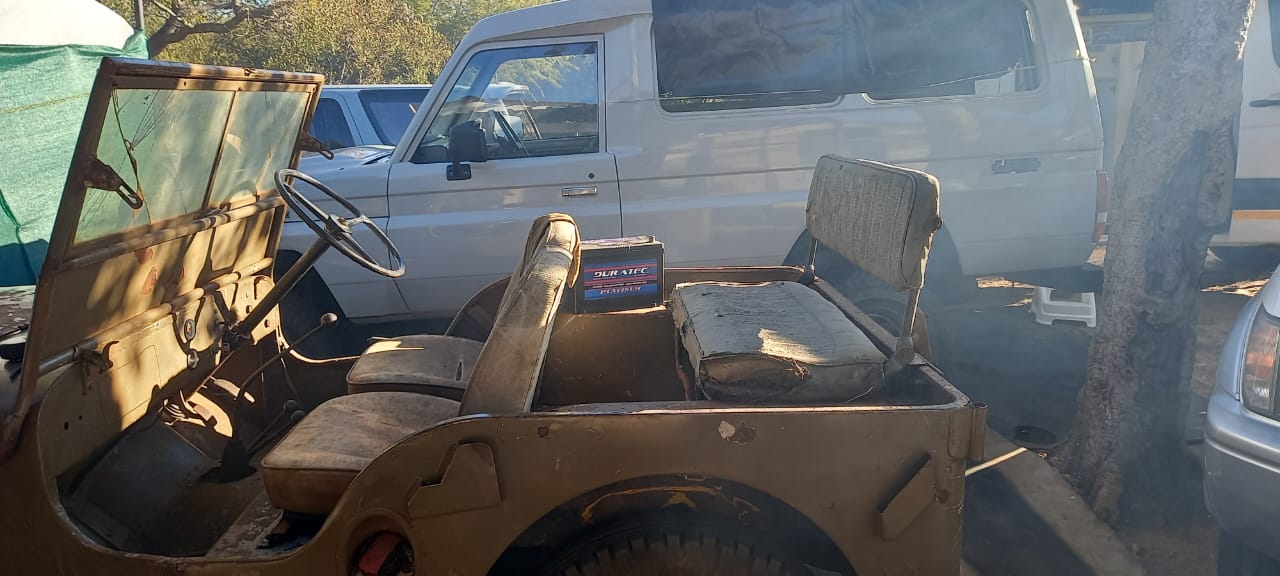
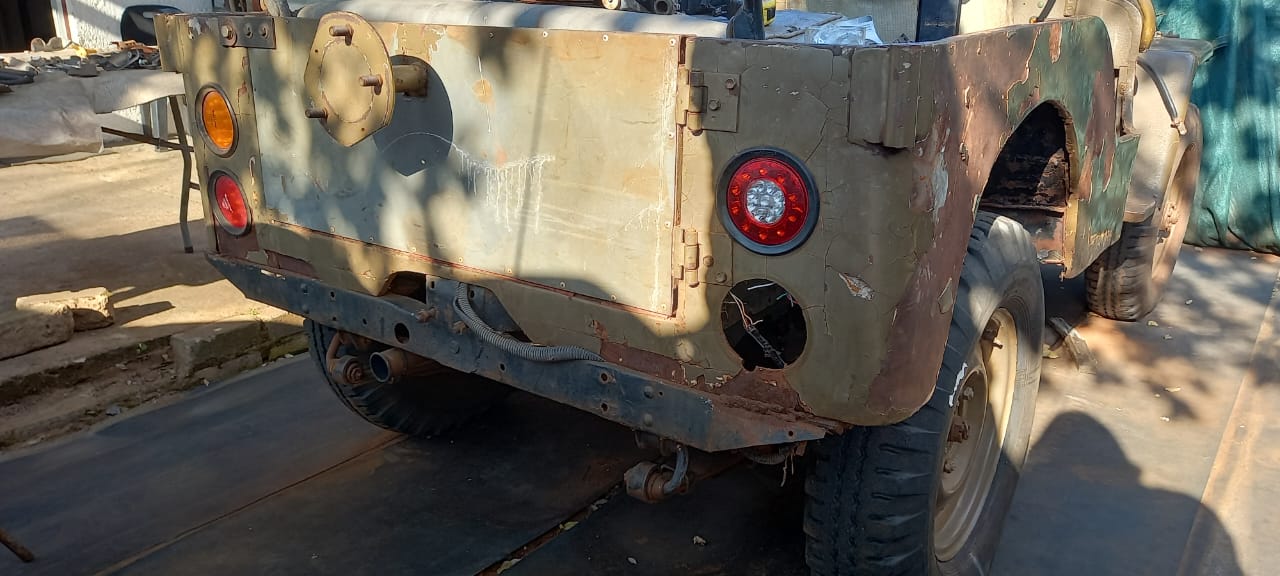
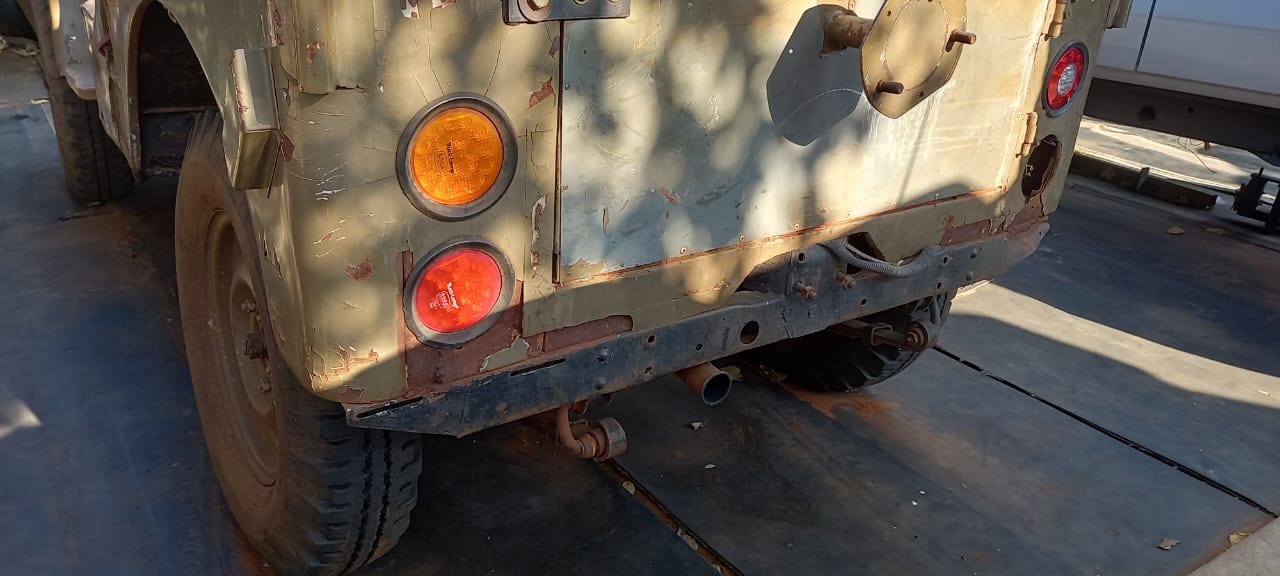
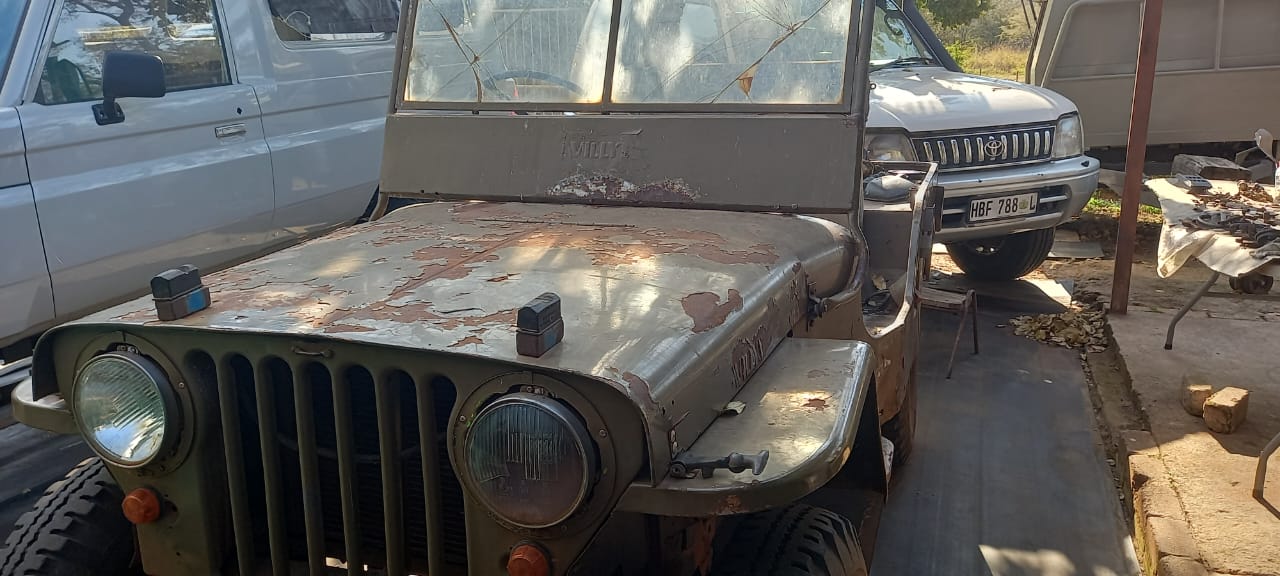
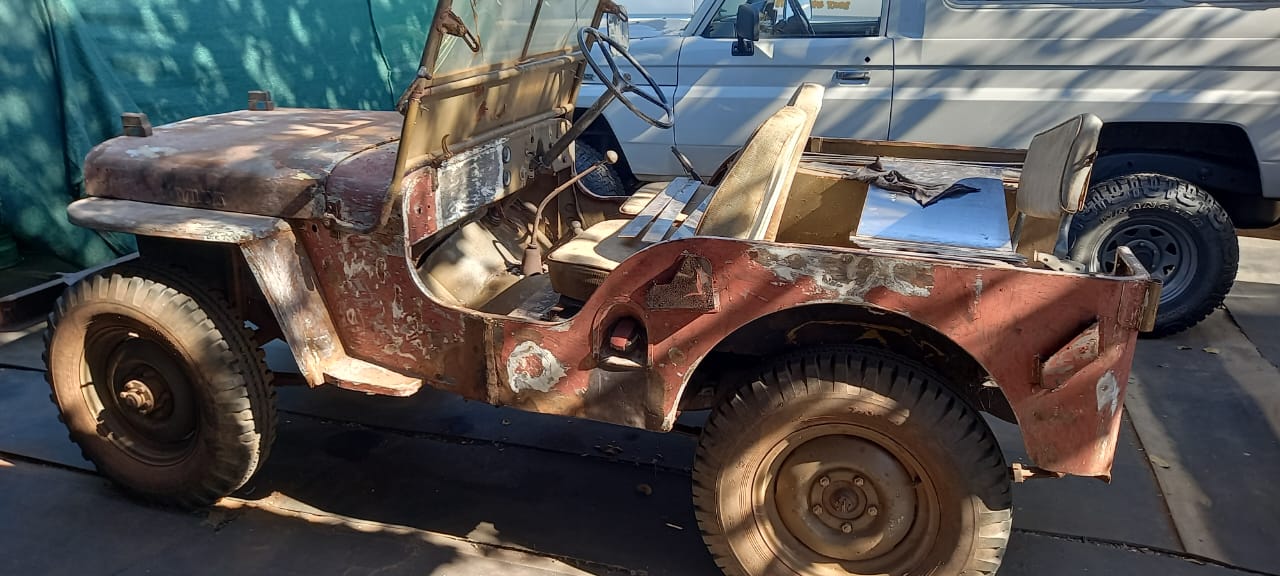
With the Jeep in the yard, we went over every inch. The original WILLYS script badge was still on the hood, the military steering wheel intact, the gauge cluster still reading zero. A previous owner had updated the tail lights to LED — the only modern touch on an otherwise factory-fresh WWII specification. The hood revealed heavy paint lift and surface rust but solid steel beneath. Inside, the firewall showed significant corrosion and the floor had been stripped. Serious work ahead — but everything was still there to work with.
.jpeg)
.jpeg)
.jpeg)
.jpeg)
.jpeg)
Chapter 3
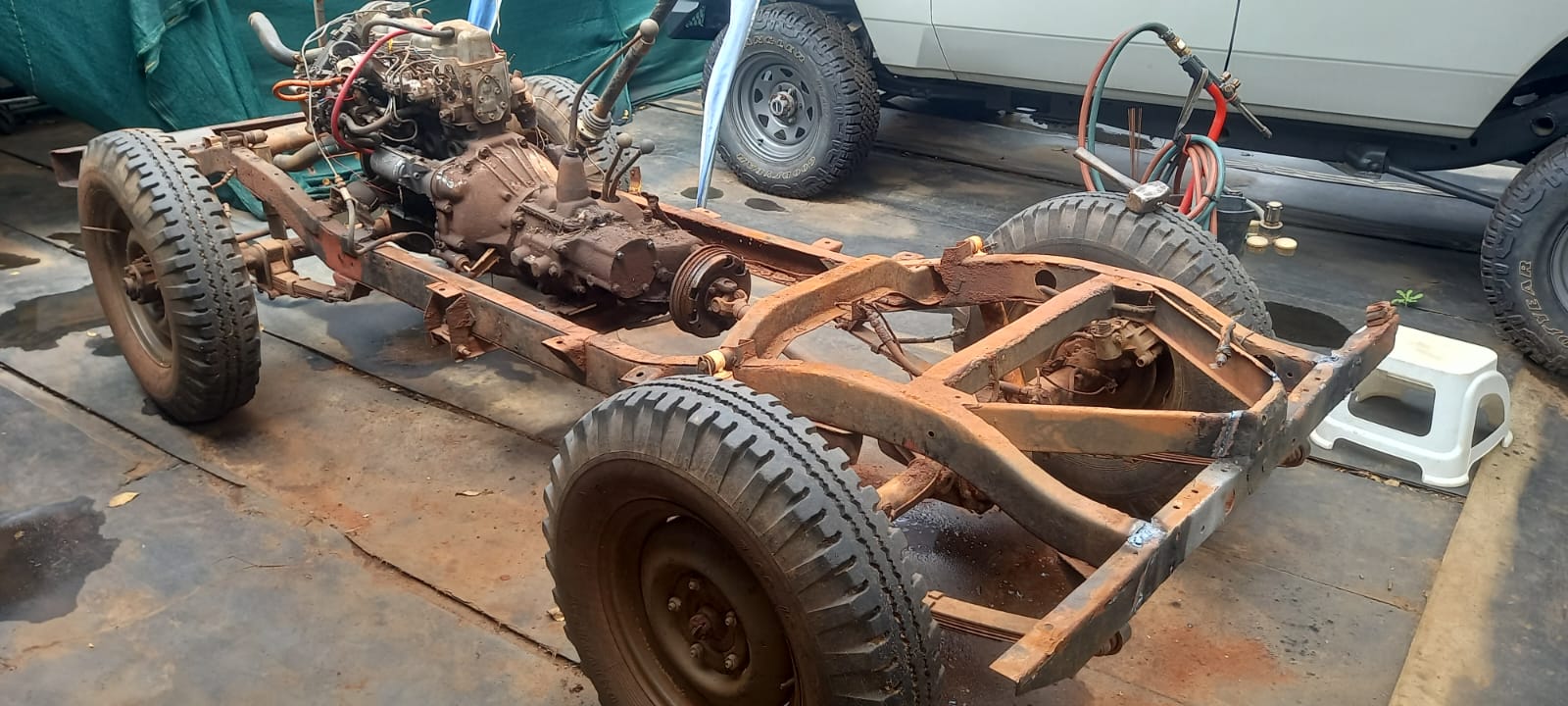
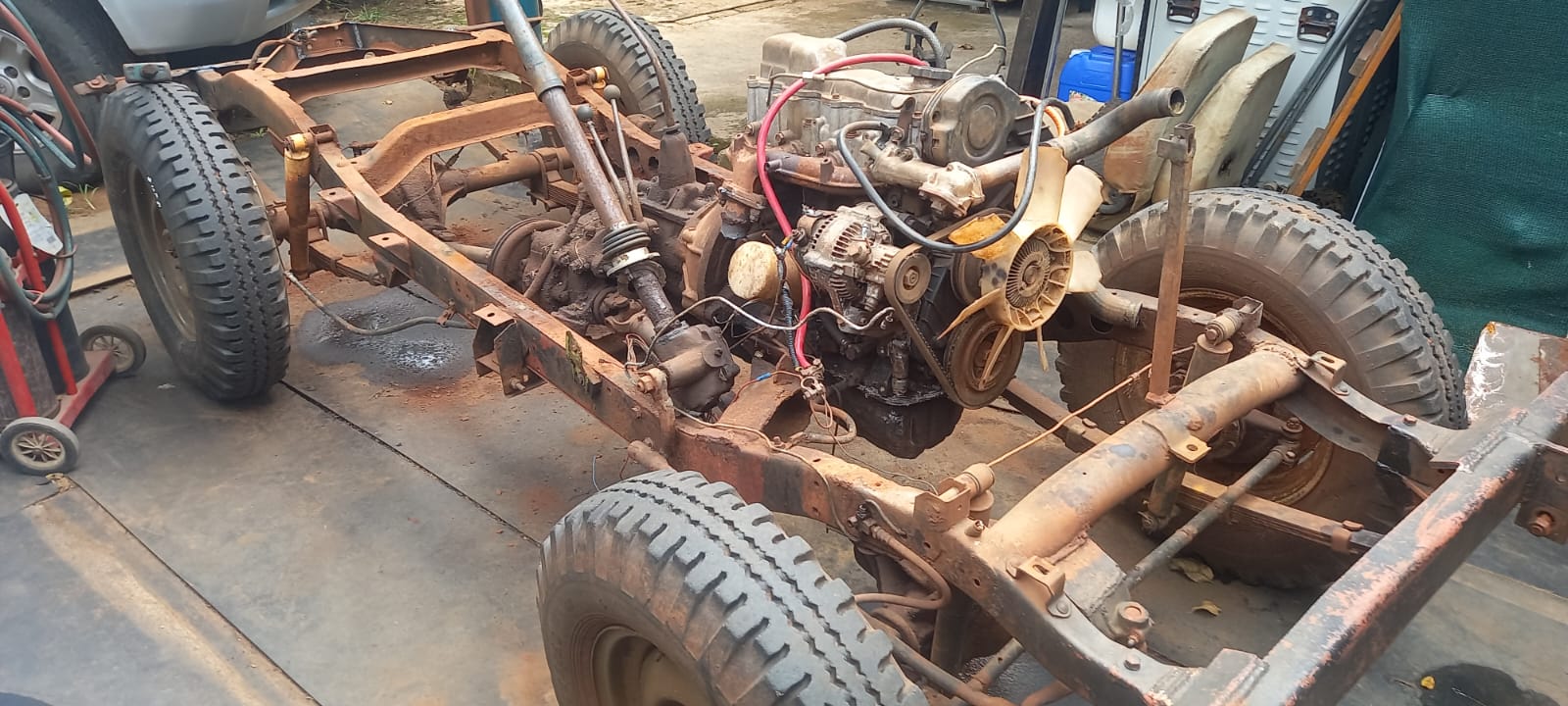
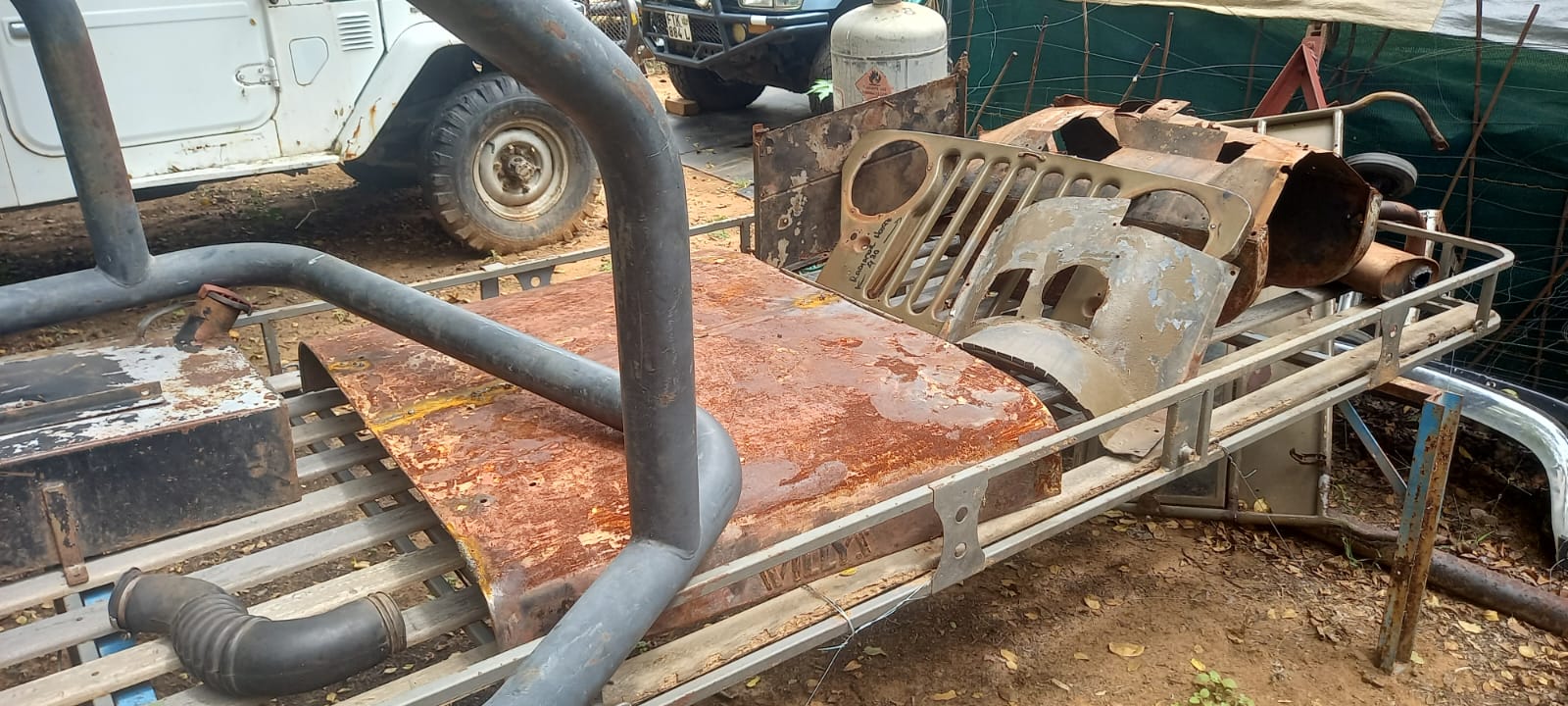
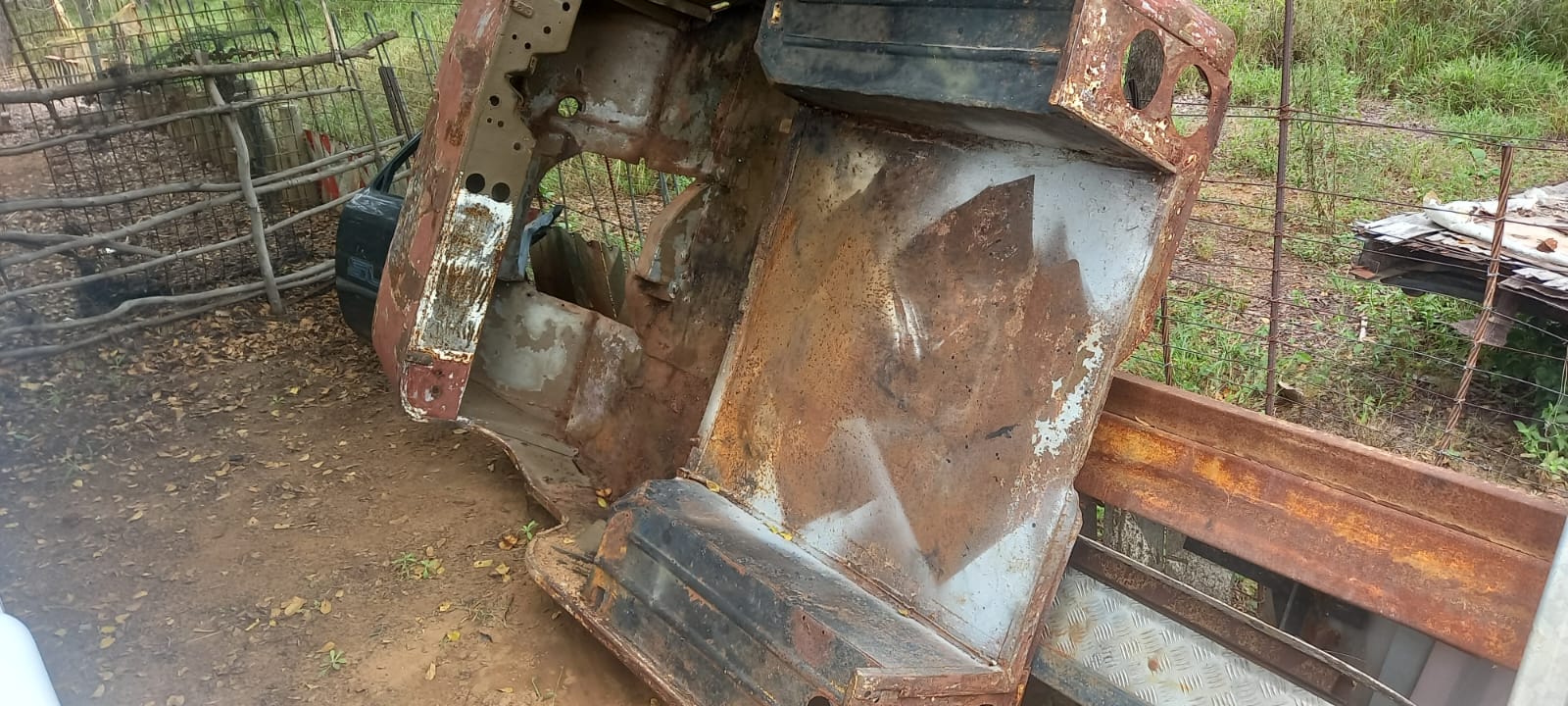
Wrenches out. The strip-down began with the body-off-chassis lift — once separated you could see the full extent of what 80 years had done to the underside. Panels were removed one by one: the hood, the fenders, the body tub. Each piece laid out for inspection and marked for repair or replacement. The chassis came off its mounts and the running gear was inspected in isolation. This phase confirmed our rebuild plan — everything was salvageable, but nothing was going back on without work.
.jpeg)
.jpeg)
.jpeg)
.jpeg)
.jpeg)
Chapter 4
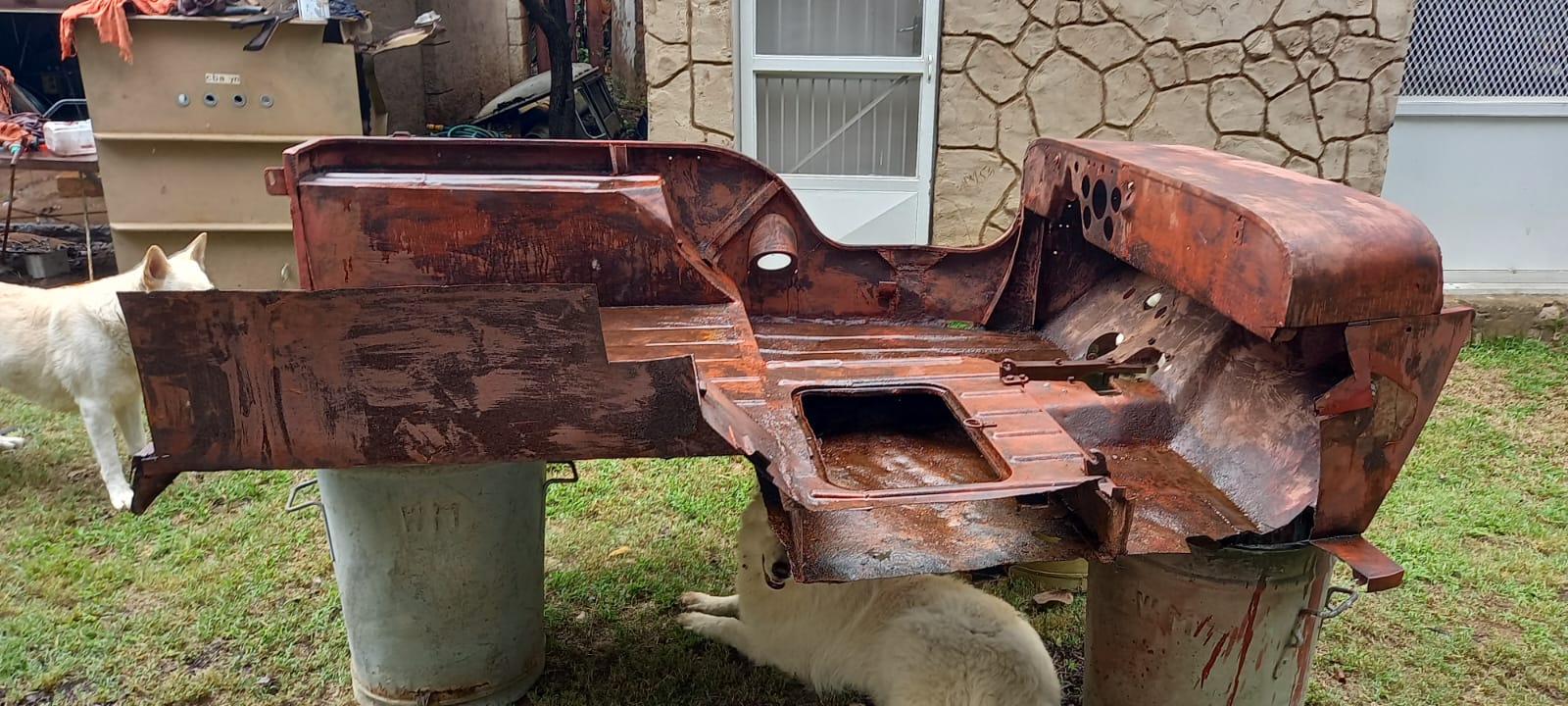
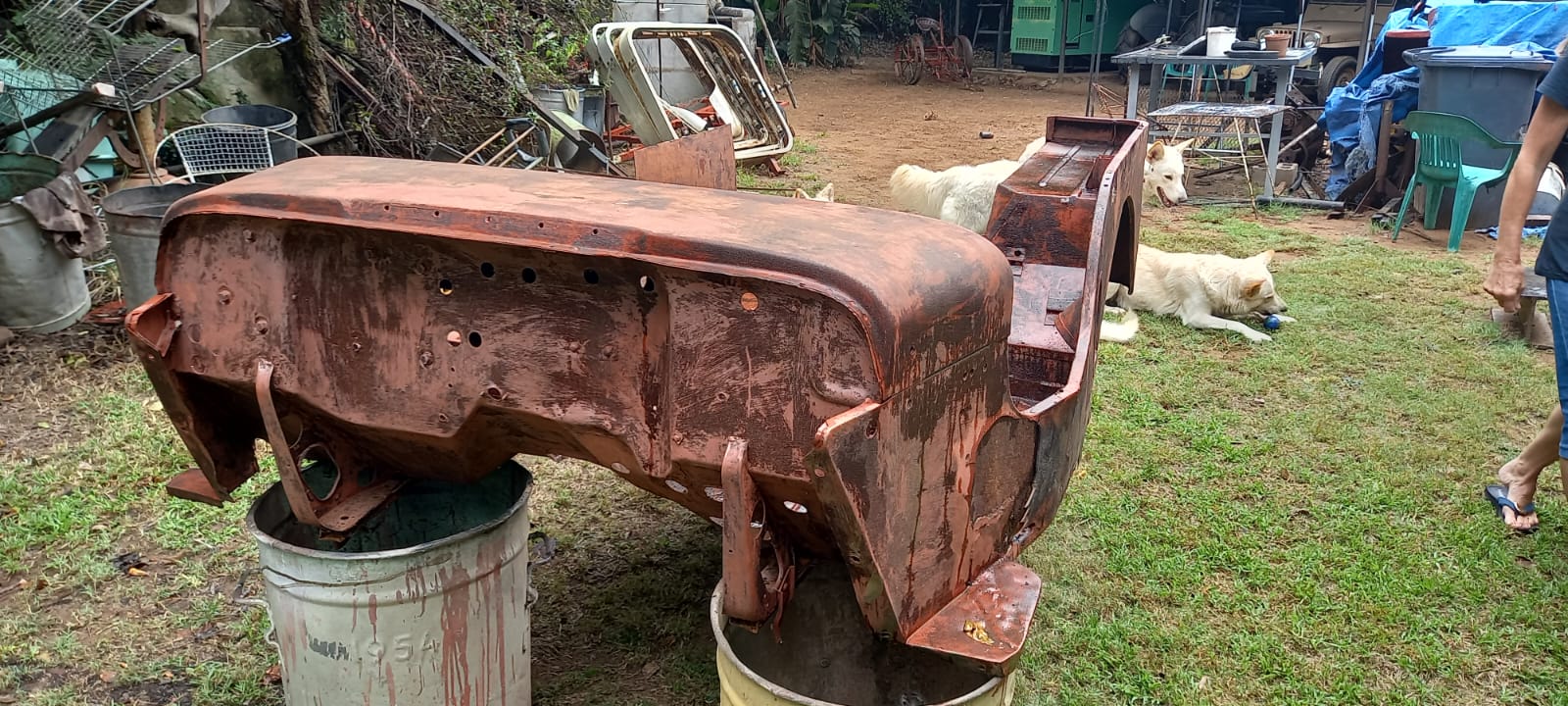
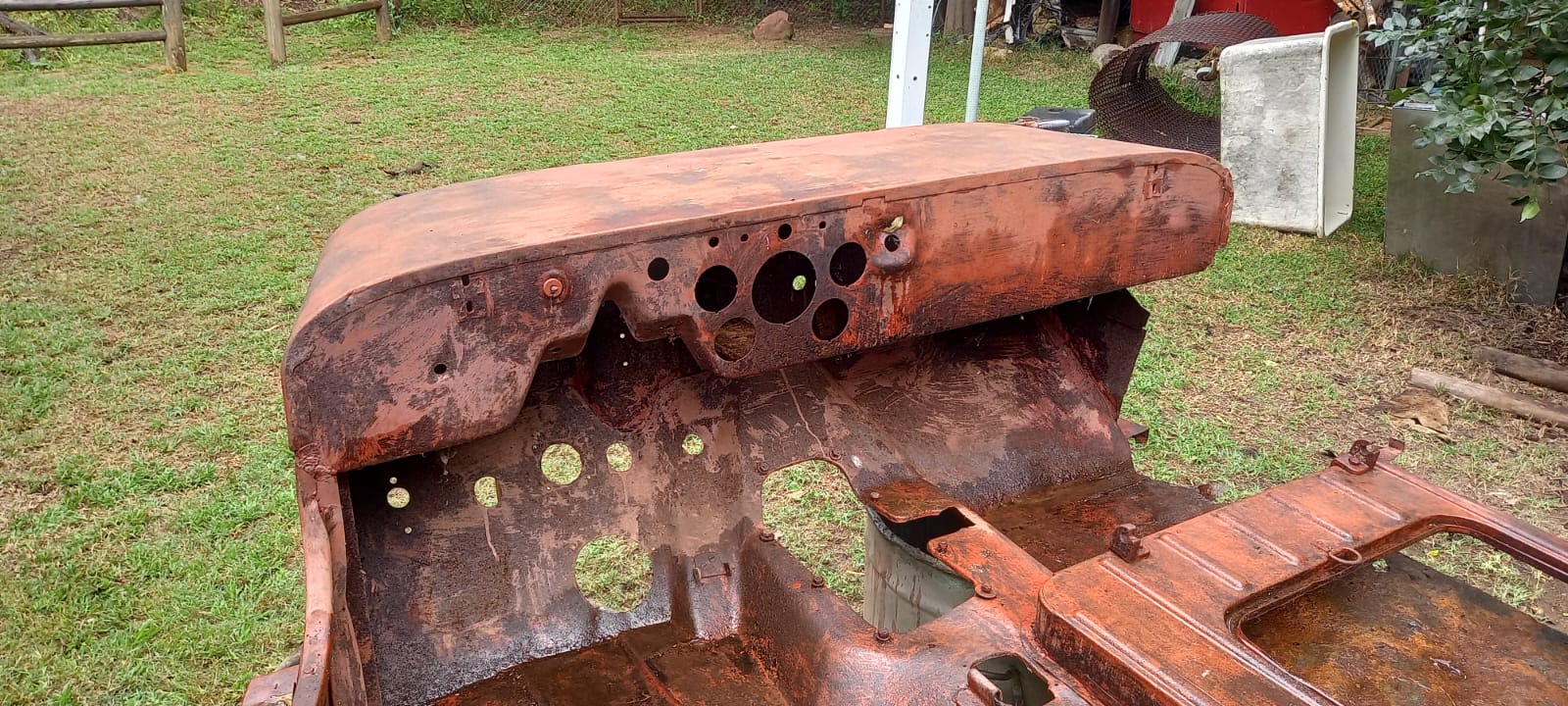
The body tub came up on stands — perched on old galvanized buckets in the yard — and the grinders came out. Every layer of paint stripped back to reveal what the metal really looked like underneath. The firewall with its original gauge holes, the fender wheel arches, the rear tub floor — all exposed. Heavy surface rust throughout, but the structure was sound. This is where restorations are won or lost: in the honest assessment of bare steel. Our verdict? Solid enough. Time to start planning the metalwork and rust treatment phase.
.jpeg)
.jpeg)
.jpeg)
Chapter 5
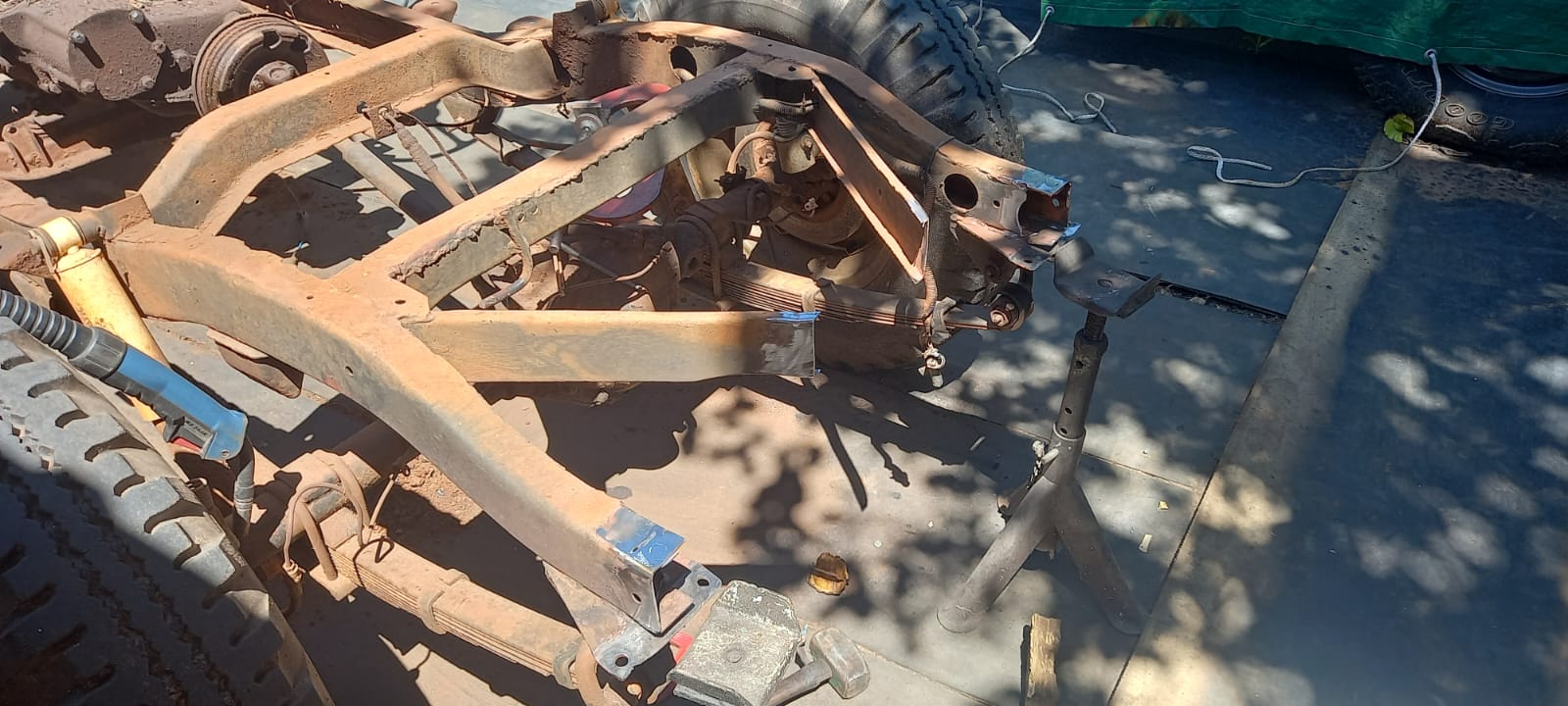
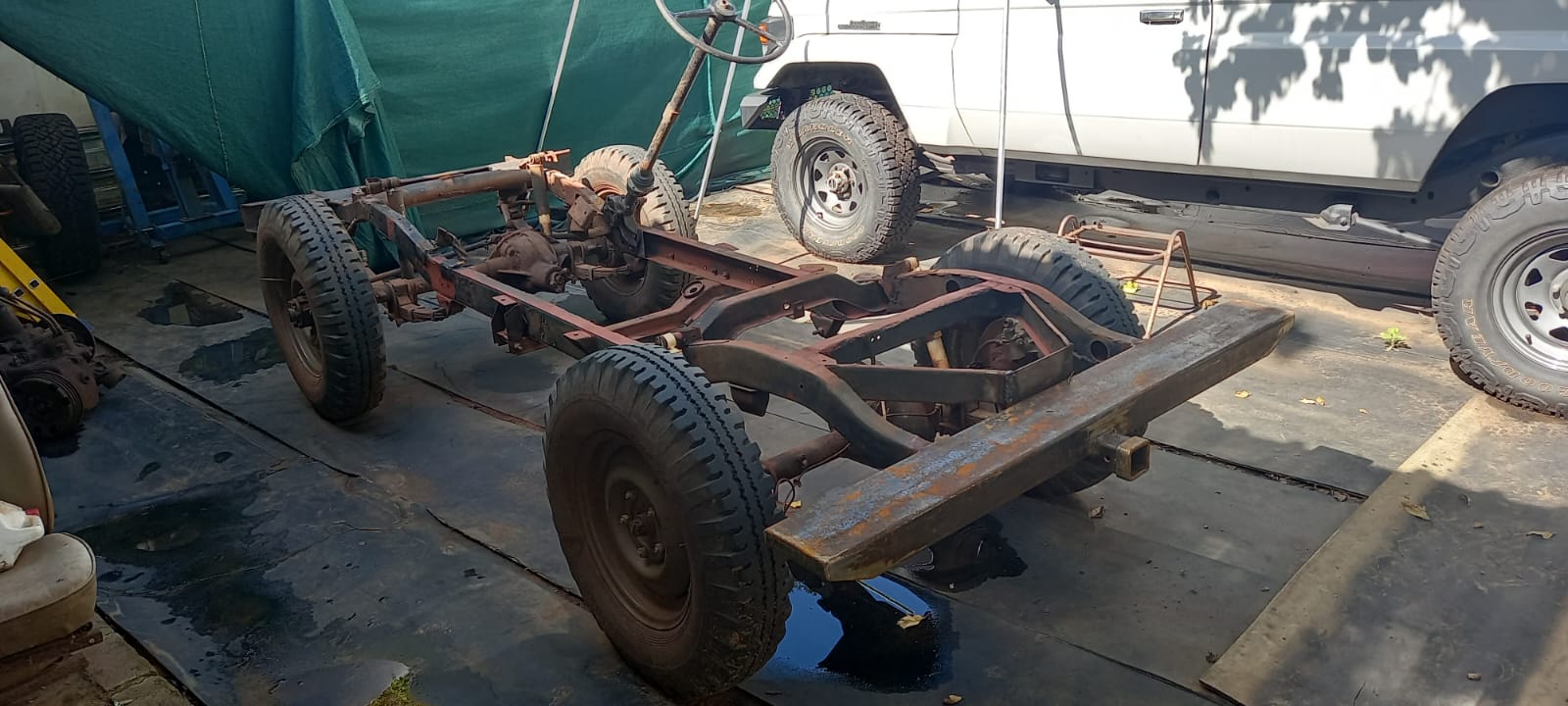
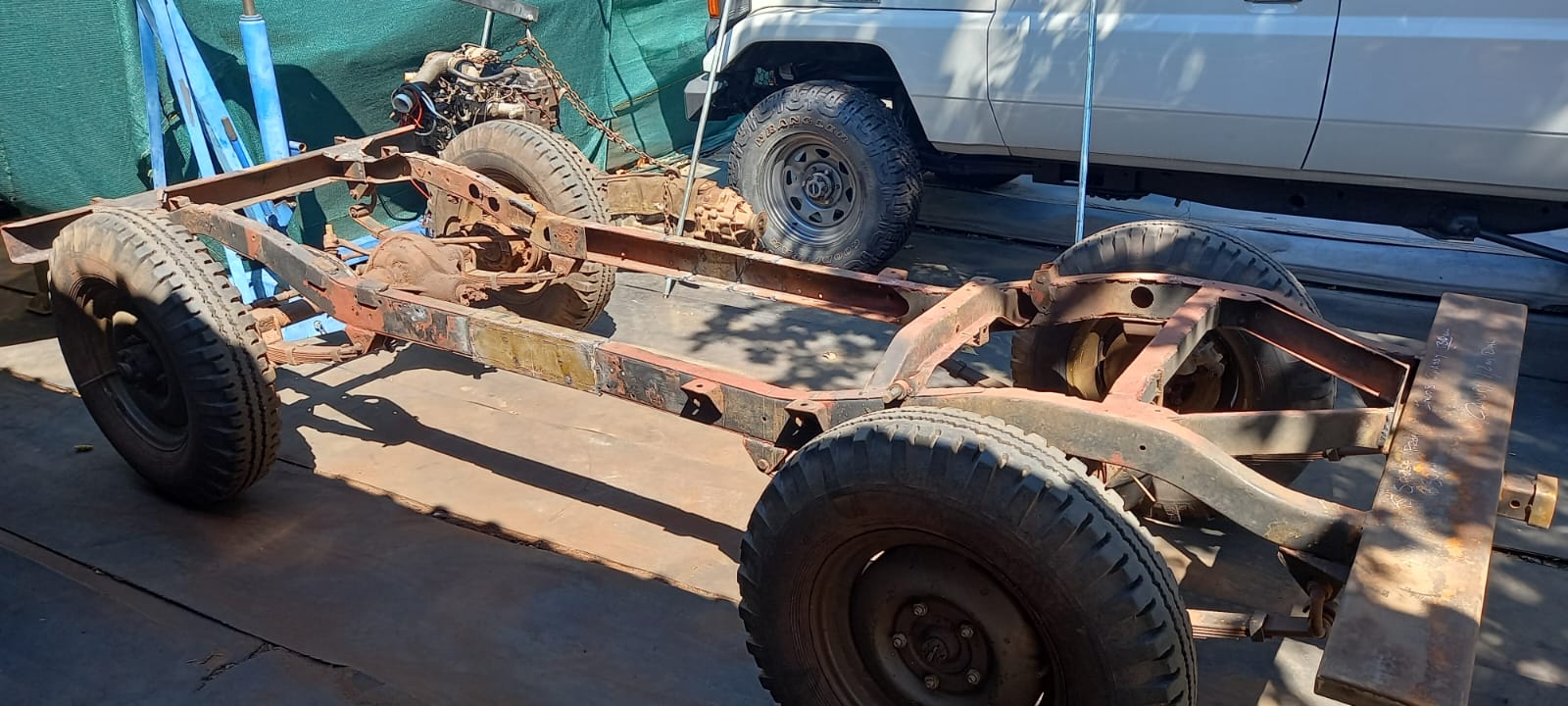
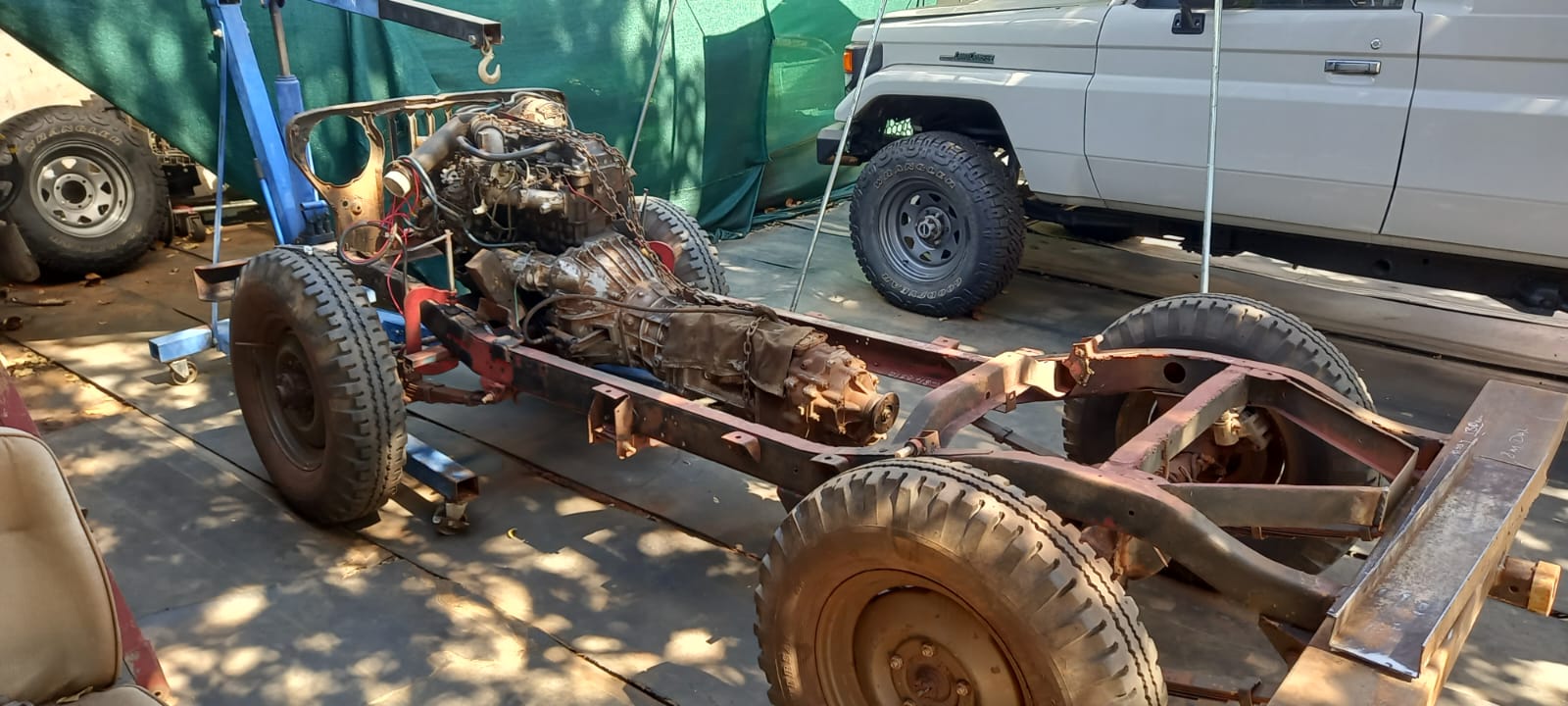
With the body off, the rolling chassis went under the microscope. Original WWII-specification axles and leaf springs, the steering gear still in place and surprisingly solid. The original engine was removed for assessment — what goes back in is still being decided. We've explored both refreshing the original Willys "Go Devil" four-cylinder and fitting a more modern unit. The chassis rails are structurally sound and the axles will be cleaned, inspected and rebuilt. The wheels may be upgraded for improved off-road capability while keeping the classic look. This is where the next chapter begins.
.jpeg)
.jpeg)
.jpeg)
.jpeg)
Chapter 6
A small metal plate changed everything. Hidden on the body, the original Willys-Overland identity tag was found and cleaned — stamped clearly: JEEP CJ-2A · 121940 · WILLYS-OVERLAND MOTORS INC · TOLEDO, OHIO, U.S.A. This is serial number 121940, a first-generation civilian Jeep built around 1947. Not a wartime MB — something arguably rarer: the Jeep that brought the military legend to the civilian world the moment peace was declared.
With the identity locked in, work accelerated. The original engine and gearbox were lifted out and assessed on the workshop floor. A set of donor axles with all-terrain tyres was sourced — the new running gear that will give this CJ-2A real off-road capability for the next 80 years. The bare chassis was lifted onto trestles for proper frame inspection and any metalwork required before rebuilding begins.
Build Video
Two videos from the workshop floor — the strip-down and bare metal assessment, and the latest Chapter 6 footage showing the chassis on trestles ready for frame work. More will follow as each phase completes.
This is a live project. Drop us a message on WhatsApp to stay updated as new chapters are added.
Photo Gallery
50 images across 6 chapters — every stage documented from acquisition through to the identity plate reveal and chassis on trestles.
This Jeep's story isn't finished. Drop us a message on WhatsApp to stay updated as new chapters are added — or if you've got a restoration project of your own.
Chat on WhatsApp See the Sprinter 4x4 Build →